NOTE: This blog was originally written for the entertainment website I’m With Geek, which no longer exists although it is archived online. It was originally written and published in March 2013. My writing has improved drastically since then, but I still wanted to include it here.
 I’d encountered German Expressionism before, when a teenage obsession with Buffy the Vampire Slayer and Christopher Pike’s The Last Vampire novels inspired me to seek out as much vampire media as possible. This was before YouTube was a huge thing, before MySpace even, and the internet was entirely for homework research and MSN Messenger. I didn’t get very far, but on one of the few movie channels I had back then, I stumbled across the final twenty minutes of Nosferatu. At the time, I had no idea what German Expressionism was, but I was utterly transfixed. It would take me another four years to see the entire film.
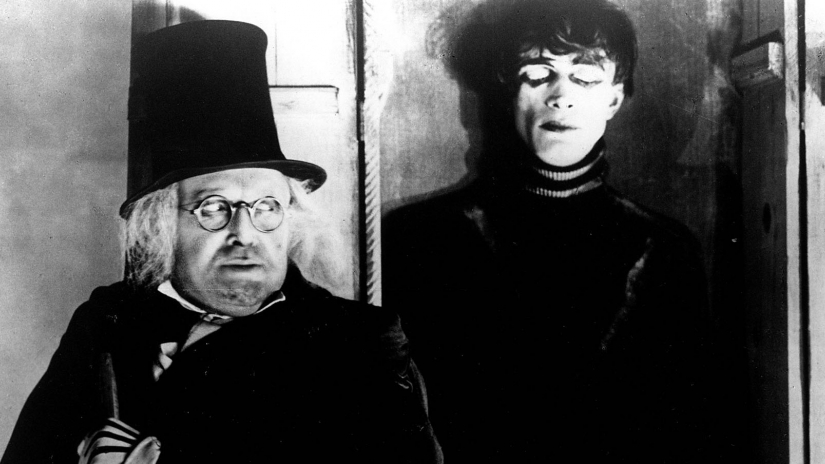
But the biggest influence of all comes in the visuals. The sharp, surreal, over-stylised backdrops of Caligari opened the door for visual experimentation. Without Caligari, we may not even have had Inception. It also pioneered the use of shadows for visual effects. Shadows are a major factor in Caligari, and would be seen to greater effect in Nosferatu, and clearly Alfred Hitchcock’s Psycho owes a little to the technique in its memorable shower scene.
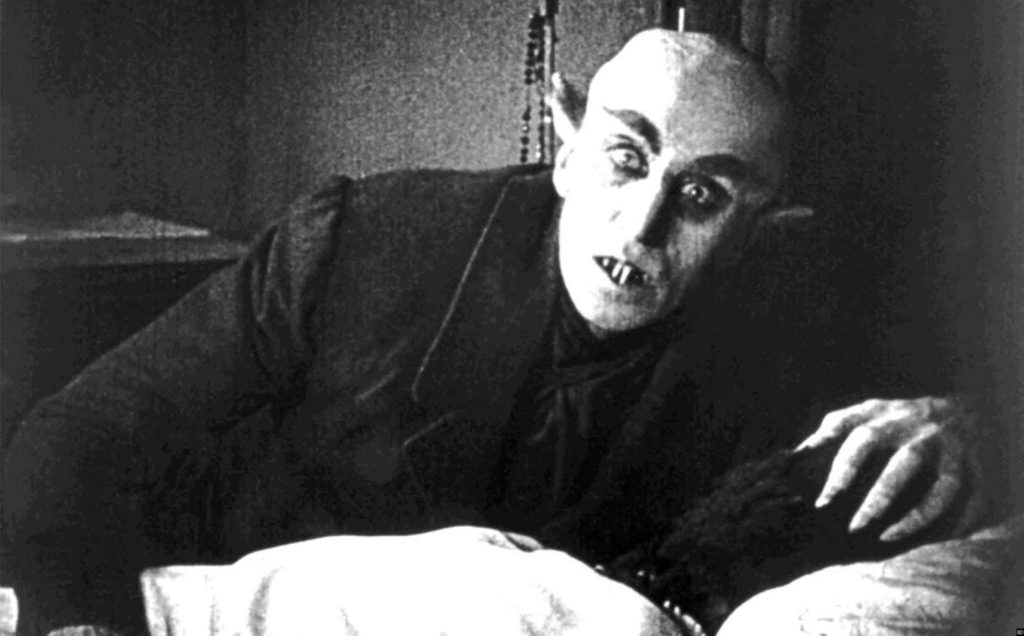 I finally got to study F.W. Murnau’s Nosferatu in my final year of undergraduate study, by which point I’d seen it many times. I was doing a course called “The Cinematic Vampire”, which is as awesome as it sounds, and Nosferatu was the first film on our viewing list. Ostensibly a retelling of Dracula but with the names changed for copyright reasons, Nosferatu changed the game when it came to Bram Stoker’s character by making Count Orlok not a sexual predator, but physically monstrous. Max Schreck’s performance remains the only cinematic vampire to leave me terrified, such is the power of his physicality. That’s an important aspect to the whole thing. As many, though not all, films of the movement were silent, emphasis was placed on appearance, facial expressions, and body language. A lot of silent films can seem a bit “pantomime” to modern eyes, but in these films, the silence only adds to the growing dread. The silence before a scare in modern horror films is all down to the silent era. As I mentioned before, Nosferatu takes Caligari’s shadow play and turns it up to eleven. The single most lasting image from the film is that of Nosferatu’s shadow stalking up the stairs, with his spindly, elongated fingers reaching for the door. It also provides one of my favourite deaths in all of cinema. Orlok causes a heart attack just by the shadow of his hand clutching over a woman’s heart.
If Nosferatu and The Cabinet of Dr Caligari were the pioneers of horror cinema, then Fritz Lang’s Metropolis is the archetypal sci-fi story. Set in a futuristic urban dystopia, Metropolis was the first full-length feature of the genre and was greatly inspired, stylistically, by the Art Deco movement. The thing everybody knows about Nosferatu is, of course, the creation of Maria’s robot double. And rightly so. Robot Maria paved the way for Colin Clive to cry “IT’S ALIVE!” in Universal’s Frankenstein, and its influence can be felt even as far down as The Truman Show. Metropolis created life, which is essentially what all cinema does.
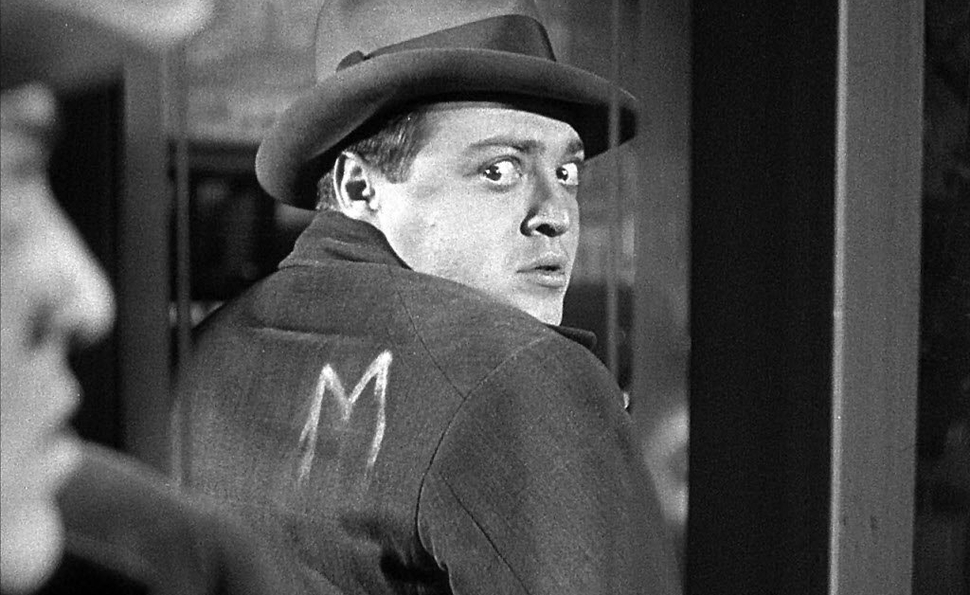 Finally, there’s the matter of Fritz Lang’s M.Considered by Lang to be his finest work, M was his first sound film, and absolutely stellar it is too. Starring Peter Lorre, it’s the unsettling tale of a child murderer facing a kangaroo court populated by other criminals who are disgusted in his crimes. The deeply weird thing about this film is, at some point, you end up sympathising for Beckert. The guy who murders children. It’s a fascinating glimpse at our own morality, and you owe all your morally grey anti-heroes to it. Beckert is as evil and yet as compelling as Walter White.
German Expressionism has had a profound effect on my own endeavours. It is the reason I have such a vested interest in horror and sci-fi. When I finally got to study photography, my first exhibition involved recreations of some of the most iconic scenes from Caligari and M. They were the first films I saw that really inspired me to look in depth into all the elements that go into making a film great. And they’re all just pretty damn awesome to watch.